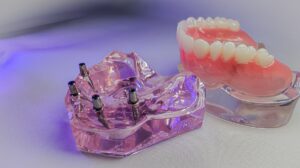
When you lose a permanent tooth, finding a reliable replacement is essential for your oral health and self-confidence. Dental implants serve as a sophisticated solution, acting as artificial tooth roots that support a crown. For decades, patients had one primary choice for implant material, but modern advancements have introduced new options.
At Sitwell Dental Implant Center, we believe that informed patients make the best decisions for their health. Choosing between zirconia and titanium dental implants requires considering how these materials perform over time.
Understanding the Basics of Zirconia and Titanium Implants
Titanium has been the gold standard in restorative dentistry since the 1960s. It is a robust metal known for its ability to fuse with human bone, a process called osseointegration. Because of its long history, titanium is the most widely used and researched material in the industry.
Zirconia is a newer, metal-free alternative that has gained popularity over the last two decades. While many people think of it as porcelain, zirconia is actually a durable ceramic. It was developed to meet the needs of patients seeking holistic or metal-free dentistry. Both materials are FDA-approved and considered safe when placed by experienced professionals.
Zirconia Implants at a Glance
- Material: A non-corrosive, ceramic, metal-free material.
- Structure: Often designed as a single-piece unit, though two-piece options exist.
- Appearance: Features a natural white, tooth-colored hue.
- Growth: Supported by a rapidly expanding body of clinical research.
Titanium Implants at a Glance
- Material: Made from high-quality, medical-grade titanium alloy.
- Structure: Typically a two-piece system consisting of the implant post and a separate abutment.
- Track Record: Supported by decades of clinical research and longitudinal studies.
- Success: Boasts an incredibly high success rate across diverse patient populations.
Comparing Durability, Biocompatibility, and Aesthetics
Selecting the right material involves balancing your physical needs with your visual goals. Both options offer unique advantages depending on your unique anatomy.
Durability and Strength
Titanium is famous for its extreme durability. Because it is a metal, it is less likely to fracture under the intense pressure of chewing, making it an excellent choice for molars. Zirconia is also incredibly strong, but as a ceramic, it is slightly more brittle than metal. While fractures are rare, the success of zirconia often depends on the provider’s skill during placement to ensure the material is not overstressed.
Biocompatibility and Sensitivities
Both materials are highly biocompatible, meaning the body generally accepts them without issue. Titanium integrates seamlessly with the jawbone. However, a small percentage of the population has metal sensitivities or allergies. For these individuals, the benefits of zirconia dental implants are clear, as the ceramic material eliminates the risk of a metal-related reaction.
Aesthetic Considerations
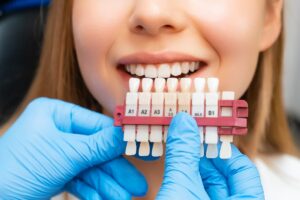
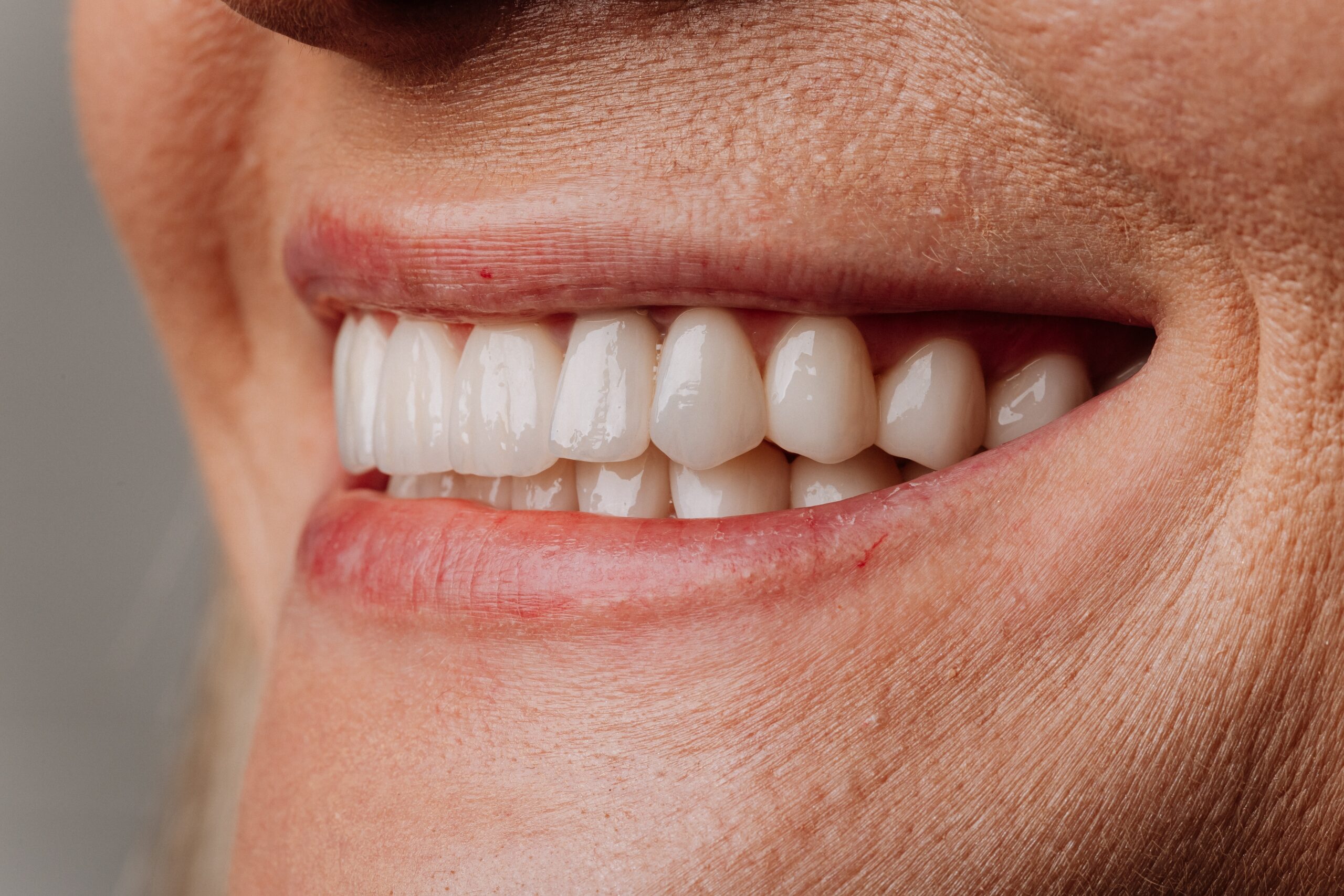
Aesthetics often play a major role in the decision, especially for front teeth. Because titanium is dark, it can sometimes create a thin gray line at the gum level if a patient has thin gum tissue or experiences gum recession. Zirconia is naturally white. This allows it to blend perfectly with the surrounding teeth, providing a cosmetic advantage for patients with high aesthetic demands or receding gums.
Cost, Maintenance, and Long-Term Considerations
In terms of investment, zirconia is often slightly more expensive than titanium due to higher manufacturing costs and the specialized training required for placement. Insurance coverage varies, so it is important to check your specific plan.
Maintaining your implants is straightforward regardless of the material. You must practice diligent oral hygiene, including brushing and flossing, and attend regular checkups. The long-term success of any implant depends on your bone health, lifestyle habits, and your dental team’s expertise.
Choosing the Right Implant for Your Smile
The best material is the one that aligns with your medical history and aesthetic goals. At Sitwell Dental Implant Center, we provide personalized consultations to help you navigate these choices. Our team is committed to clear education and customized treatment plans that prioritize your comfort. Schedule your consultation with us today!
Image credit: // Shutterstock // BONDART PHOTOGRAPHY