Choosing the right dental bridge options for missing teeth is a significant decision that impacts your oral health, facial structure, and daily comfort. Sitwell Dental Implant Center specializes in restorative solutions that blend scientific precision with an artistic touch to rebuild your smile. Whether you are missing a single tooth or several in a row, understanding the structural differences between various bridge types is essential.
What is the Difference Between Implant-Supported and Traditional Bridges?
The primary distinction between these two restorative methods lies in how the prosthetic teeth are anchored within your mouth. While both aim to fill the gap left by missing teeth, they utilize different foundations to achieve stability.
Answer First: The Support Structure Is the Key Difference
An implant-supported bridge vs traditional bridge comparison reveals that the former is anchored by titanium dental implants placed in the jawbone, while the latter relies entirely on the strength of adjacent natural teeth for support. This fundamental difference dictates how much of your natural tooth structure must be altered and how chewing forces are distributed across your jaw.
How Traditional Bridges Work
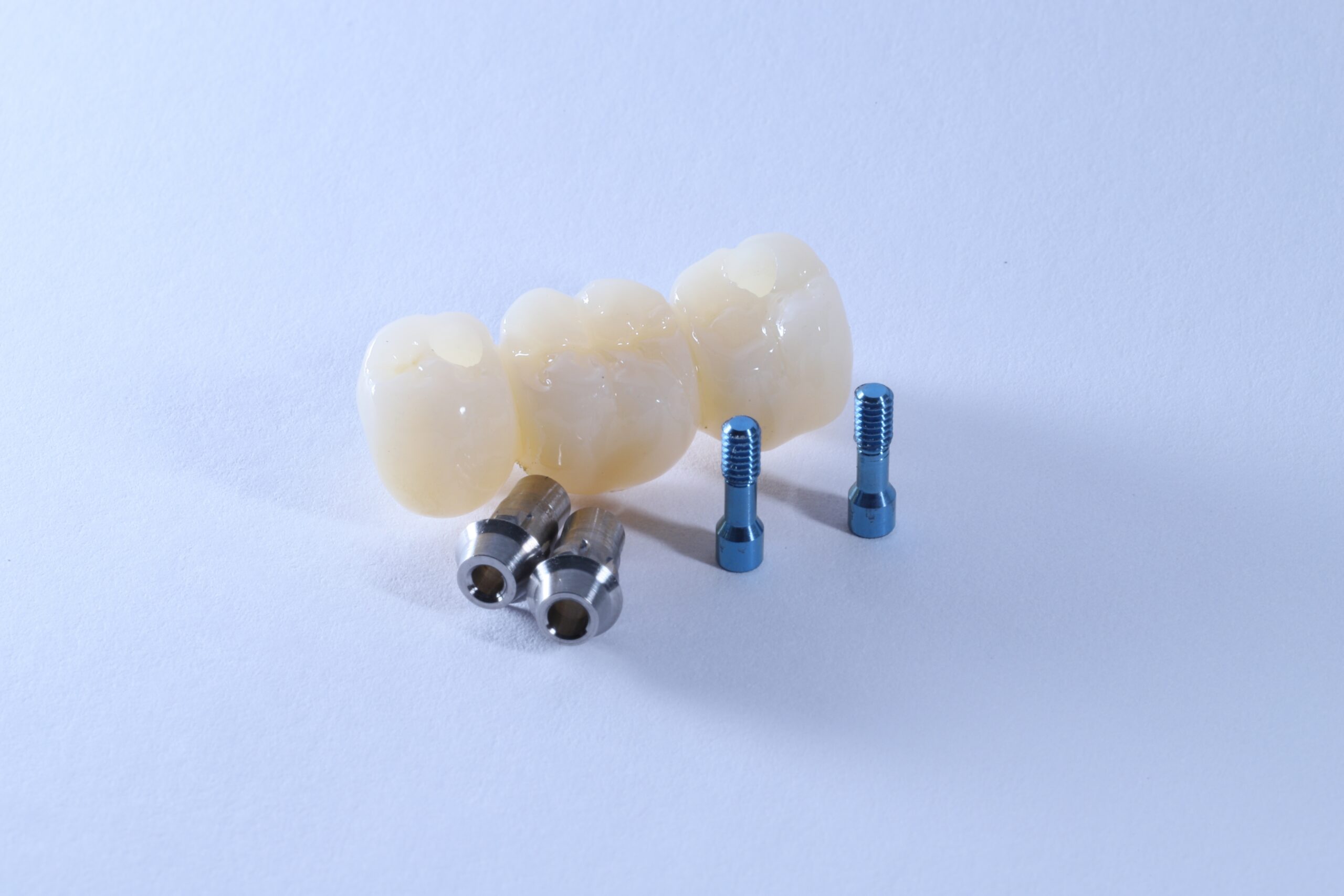
To install a traditional bridge, the teeth on either side of the gap, known as abutment teeth, must be reshaped. We remove a portion of the enamel from these healthy teeth to make room for crowns. These crowns are fused to a central prosthetic tooth, called a pontic, which sits above the gum line.
How Implant-Supported Bridges Work
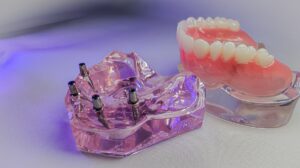
In this more modern approach, titanium implants act as artificial roots. We surgically place these implants into the jawbone, where they fuse with the bone over time. Once stable, the implants support a fixed bridge. This method is often considered the best bridge type for tooth replacement because it does not require grinding or altering surrounding healthy teeth.
Comparing Durability, Comfort, and Aesthetics
Longevity and Stability
A comparison of dental bridge lifespans shows that implant-supported bridges typically offer a more permanent solution. While traditional bridges are durable, they often need replacement every 10 to 15 years because the underlying natural teeth remain susceptible to decay or gum disease. Implants are resistant to decay and provide a secure foundation that can last a lifetime with proper care.
Comfort and Natural Feel
Implants mimic natural tooth roots, which significantly improves stability and bite strength. Because the bridge is anchored directly into the bone, it does not slip or shift. This fixed implant bridge advantage allows patients to enjoy a wider variety of foods and speak with total confidence.
Appearance and Smile Restoration
Both options provide excellent aesthetic results, but an implant-supported dental restoration goes a step further by preserving the jawbone. When a tooth root is missing, the bone can begin to deteriorate. Implants provide the stimulation necessary to keep the bone healthy, preventing the sunken facial appearance that sometimes occurs with long-term tooth loss.
Maintenance, Suitability, and Cost Considerations
Daily Care and Maintenance Needs
Both bridge types require a commitment to diligent oral hygiene, including brushing twice a day and using specialized flossing tools to clean under the prosthetic. However, because implants do not rely on neighboring teeth, they do not put extra stress on your remaining natural dentition, which can simplify long-term oral health management.
Who Is a Good Candidate for Each Option
Traditional bridges may be suitable for patients with reduced bone density who do not wish to undergo bone grafting. They are also a common choice for those looking for a quicker turnaround time. Implant-supported bridges are ideal for replacing missing teeth with implants when the patient has sufficient bone density and desires a solution that prioritizes bone preservation and maximum stability.
Cost and Long-Term Value
In a bridge vs implant cost comparison, traditional bridges usually have a lower upfront price. However, when you consider the lifespan comparison of dental bridges and the potential need for future replacements or treatments for the supporting teeth, the long-term value of an implant-supported bridge becomes clear. It is an investment in a permanent foundation that protects your remaining natural teeth.
Find the Right Tooth Replacement Option at Sitwell Dental Implant Center
Explore Your Options with Expert Guidance
Choosing between an implant-supported bridge vs traditional bridge can feel overwhelming, but you do not have to make the decision alone. Schedule a consultation with our dedicated team to explore your options and discover a customized treatment strategy that will help you enjoy a vibrant, healthy smile. Reach out to Sitwell Dental Implant Center today to take the first step toward restoring your confidence.
Image credit: // Shutterstock // dentalphotosales