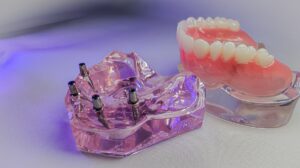
A dental bone graft helps rebuild jawbone structure so it can properly support a dental implant. While the idea of a bone graft before dental implants might sound complex, it is a very common and predictable step in modern implant treatment.
Sitwell Dental Implant Center provides comprehensive solutions for patients seeking permanent tooth replacement, often beginning with a dental bone graft to ensure a strong foundation.
Why Bone Grafting Is Sometimes Needed Before Dental Implants
Bone grafting is recommended when there is not enough healthy jawbone to securely support an implant. Just as a house requires a solid foundation, an implant requires a specific bone volume and density to withstand the forces of biting and chewing. If we were to place an implant in a thin or weak jawbone, the risk of failure would increase significantly. Rebuilding this area allows us to provide a restoration that functions like a natural tooth.
Common Reasons for Bone Loss
- Tooth loss over time: When a tooth is missing, the jawbone no longer receives stimulation from chewing, causing it to gradually resorb or shrink.
- Gum disease affecting bone structure: Advanced periodontal disease can destroy the bone tissue that supports your teeth.
- Natural changes in bone density: Aging or certain health conditions may lead to a decrease in the jaw’s overall strength.
How Bone Grafting Supports Implant Success
A bone graft for implants creates a stable foundation by encouraging your body to produce new, healthy bone cells in the targeted area. This improves the long-term durability of the restoration and supports proper placement and function. By investing in this preparatory step, you are ensuring your implant remains functional and secure for years to come.
Types of Bone Grafts Used for Dental Implants
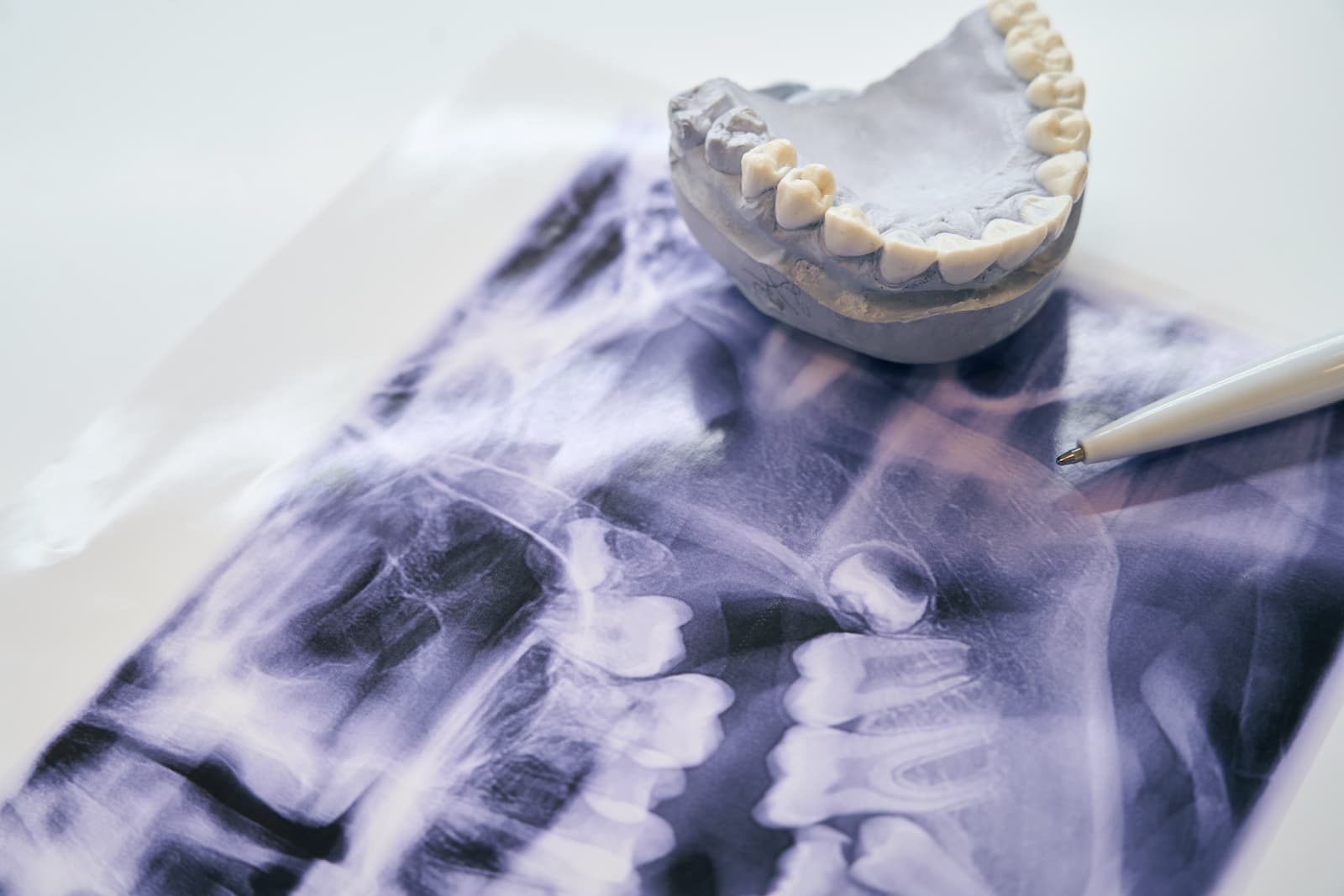
There are several types of bone grafts, and the right option depends on your specific needs and medical history. We evaluate your jaw structure using advanced imaging to determine which material will provide the best results for your unique case. Our goal is to select a material that integrates seamlessly with your existing tissue.
Common Types of Bone Grafts
- Autograft: Bone taken from your own body, often from another area of the jaw.
- Allograft: Donor bone that has been carefully processed and tested for safety and compatibility.
- Synthetic or biocompatible materials: Lab-created materials designed to mimic natural bone and provide a scaffold for new growth.
Choosing the Right Approach
We make this decision based on the amount of bone needed and the specific location in the jaw. Whether you need a minor augmentation or more extensive bone graft surgery for your teeth, we create a customized treatment plan for each patient. This tailored approach ensures that the types of bone grafts for implants used in your care are the most effective for your biology.
What to Expect During the Bone Graft Procedure and Recovery
Bone graft procedures are carefully planned and followed by a healing period that allows the bone to strengthen and mature. We use state-of-the-art technology to ensure the jaw bone grafting procedure is precise and comfortable. Most patients find that the process is much simpler than they originally anticipated.
The Procedure Overview
During the bone graft dental procedure, the grafting material is placed in the area where the bone has thinned. This material acts as a scaffold, guiding your natural bone to grow into the space. We perform this with a focus on patient comfort, ensuring you feel relaxed throughout the visit.
Recovery and Healing Timeline
Bone graft recovery time varies depending on the extent of the graft and your body’s natural healing speed. Typically, it takes several months for the graft to fully integrate and harden into a solid foundation. During this time, you will continue with your normal activities while the new bone matures.
Aftercare and Follow-Up
We provide detailed instructions to manage the initial healing phase and prepare for the outcome of the implant bone grafting. Regular follow-up visits allow us to monitor your progress and ensure the area is healthy. Once the bone is strong enough, we proceed to the next step: placing your dental implant.
How Bone Grafting Helps Ensure Long-Term Implant Success
Bone grafting plays an important role in improving the stability and longevity of dental implants by providing the necessary volume for osseointegration. This is the process in which the implant post fuses with your jawbone.
Considering dental implants? Contact Sitwell Dental Implant Center to learn if a bone graft is right for your treatment plan and take the next step toward a confident, lasting smile. Our team is here to guide you through every stage of your journey to better oral health with personalized, expert care.
Image credit: // Shutterstock // YAKOBCHUK VIACHESLAV