When comparing dentures vs implants, many patients want to know which option will feel better, last longer, and support everyday life more comfortably. Dental implants vs dentures is not a one-size-fits-all decision. Both can restore missing teeth, improve your smile, and help with chewing, but they work in very different ways. Understanding those differences can help you feel more confident before scheduling a consultation.
What Are Traditional Dentures?
Traditional dentures are removable appliances that replace missing teeth. Full dentures replace an entire arch of teeth, while partial dentures replace several missing teeth when some natural teeth remain.
This option rests on top of the gums and is shaped to fit the mouth. For many patients, traditional dentures can improve appearance and make eating easier than living with missing teeth. However, because they are not anchored into the jaw, they may shift during meals or conversations. Some patients use denture adhesive for extra support.
Traditional dentures also need routine care. They should be cleaned daily, removed as recommended, and checked by a dental professional over time. As the gums and jaw change, dentures may need adjustments, relining, or replacement to maintain a comfortable fit.
What Are Implant-Supported Dentures?
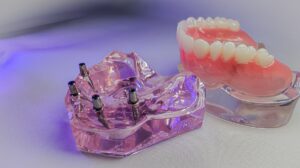
Implant-supported dentures are designed to attach to dental implants placed in the jaw. Instead of resting only on the gums, the denture connects to implants that act like replacement tooth roots. This added support can improve stability and help reduce slipping while eating or speaking.
There are different types of implant-supported dentures. Some are removable and snap into place, while others are fixed and can only be removed by a dental professional. The right option depends on your oral health, bone support, goals, and treatment plan.
Because implants are placed in the jaw, patients need enough healthy bone to support them. If bone loss is present, additional treatment may be recommended before implant placement. A consultation can help determine whether implant-supported dentures are a good fit.
Comfort, Stability, and Daily Use
Comfort is one of the biggest differences between these two options. Traditional dentures can restore a smile, but they may move if the fit changes or they are not well secured. This can make certain foods harder to eat and may cause some patients to feel less confident when speaking.
Implant-supported dentures are often more stable because they are connected to implants. This can make chewing feel more natural and may help patients feel more secure throughout the day. They also reduce the need for adhesives in many cases.
Maintenance is different as well. Traditional dentures are removed for cleaning and require careful daily care. Implant-supported dentures also require strong oral hygiene habits, including cleaning around the implants and attending regular dental checkups. Both options require commitment, but implant-supported dentures may offer greater support for patients seeking a secure fit.
Which Option Lasts Longer?
The lifespan of either option depends on oral hygiene, bone health, materials, daily habits, and professional maintenance. Traditional dentures usually need adjustments over time because the shape of the gums and jaw can change. Even with good care, they may need to be replaced after years of use.
Implant-supported dentures are often considered a longer-term option because the implants provide a stronger foundation. The denture portion may still need maintenance or replacement eventually, but the implant support can help improve function and stability over time.
For patients deciding between traditional dentures and implant-supported dentures, the best choice depends on health, comfort, expectations, and treatment goals. Sitwell Dental Implant Center can help you compare your options and choose a solution that fits your needs. To take the next step, book now for a personalized consultation.
Image Credit: Vladimka production | Shutterstock