Key Takeaways
- Implant-supported dentures attach to dental implants for improved stability while eating, speaking, and smiling.
- Treatment usually includes planning, implant placement, healing, and attachment of the final denture.
- Candidacy depends on oral health, jawbone support, general health, and the ability to maintain daily care.
Traditional dentures can restore a complete smile, but some patients struggle with slipping, pressure on the gums, or limits on the foods they can comfortably eat. Implant-supported dentures offer another approach by securing a full or partial denture to implants placed in the jaw. At Sitwell Dental Implant Center, our team helps patients in Saratoga Springs understand their options and choose a treatment plan based on their health, goals, and daily needs.
What Are Implant-Supported Dentures?
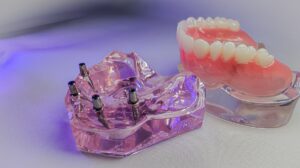
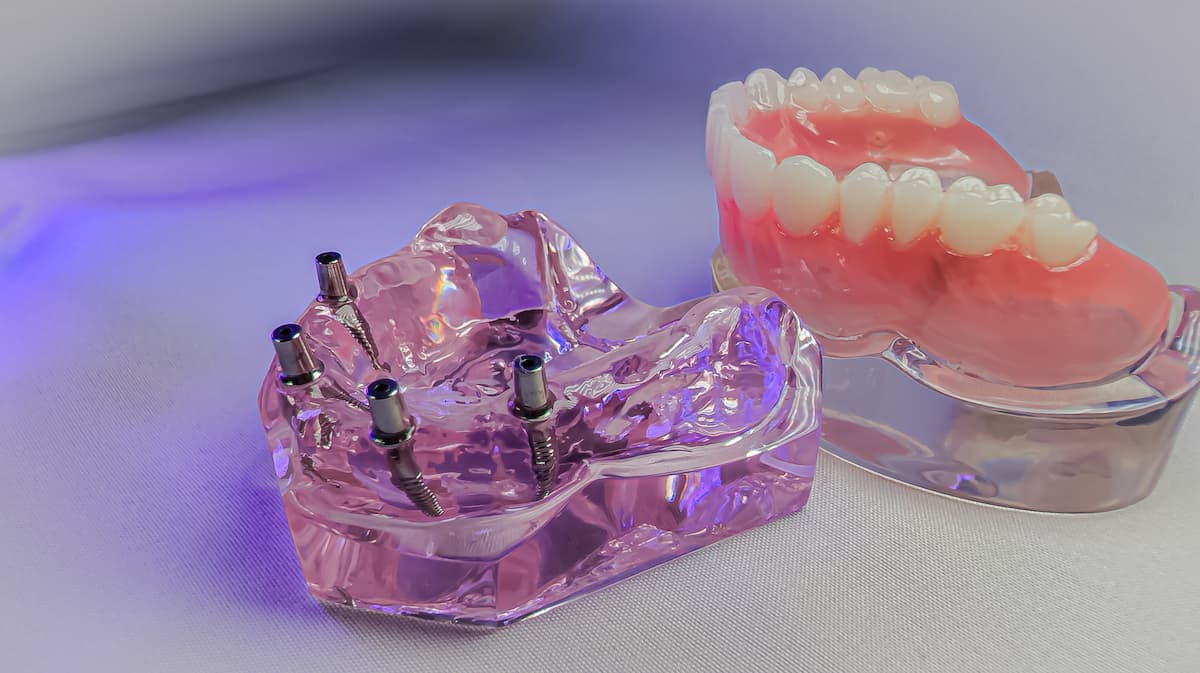
Implant-supported dentures replace multiple missing teeth while using dental implants as anchors. Depending on the treatment design, the denture may be removable by the patient or fixed in place and removed only by a dental professional.
Because the restoration connects to implants rather than resting solely on the gums, it generally feels more secure than a traditional removable denture. The implants also act like artificial tooth roots, helping to stimulate the jawbone.
Benefits of Implant Supported Dentures
Many patients consider implant-supported dentures because they can provide:
- Greater stability while chewing and speaking
- Less movement or slipping than traditional dentures
- Improved comfort with reduced pressure on the gums
- Stronger biting ability and access to a wider variety of foods
- Support for the jawbone after tooth loss
- A natural-looking smile customized to the patient
Traditional dentures may still be appropriate for some patients, especially when they want a nonsurgical option. However, they rest on the gums and may require adhesives, relines, or adjustments as the mouth changes. Implant-supported options are designed to offer a more stable, long-term foundation.
How the Procedure Works
Treatment begins with a consultation, health history review, dental imaging, and an evaluation of the jawbone. If damaged teeth remain, extractions may be needed. Some patients may also need bone grafting to create enough support for implant placement.
The implants are then positioned in the jaw. A temporary restoration may be available depending on the treatment plan. During the healing period, the bone gradually integrates with the implants, creating a strong foundation. After healing, the final custom denture is attached and adjusted for fit, function, and appearance.
Recovery and Daily Care
Tenderness, swelling, and minor bleeding can occur during the early recovery period. Patients should follow their individual instructions, choose softer foods as recommended, and keep the treatment area clean. Healing time varies based on the number of implants, bone health, additional procedures, and overall health.
Long-term care includes brushing, cleaning around the implants, and cleaning beneath or around the denture as directed. Removable restorations should be cleaned according to the care plan. Regular professional visits are also important for checking the implants, gums, bite, and restoration.
Who May Be a Candidate?
Implant-supported dentures may be considered for people missing most or all teeth who want greater stability than traditional dentures provide. Good candidates generally need healthy gums, sufficient jawbone support or the ability to receive grafting, and health that supports healing. Smoking, uncontrolled medical conditions, and difficulty maintaining oral hygiene may affect treatment planning.
The best way to determine whether implant-supported dentures are right for you is through a personalized evaluation. Review your treatment options and book now to discuss your smile goals with our Saratoga Springs team.
Image Credit: Antoninatosya | Shutterstock