Tooth loss can significantly affect your jawbone health and facial structure. Without the stimulation provided by teeth, the jawbone can begin to deteriorate, a process known as resorption. This impacts oral health but can also change your appearance over time. Dental implants offer a way to prevent bone loss in the jaw by mimicking the natural function of tooth roots, helping to maintain jawbone density and prevent further deterioration. Understanding how implants work can highlight why they are the best long-term choice for preserving both bone health and a vibrant smile.
Understanding Jawbone Resorption
Jawbone resorption occurs when the bone in the jaw begins to weaken and shrink, typically following tooth loss. Without the natural pressure from chewing that teeth provide, the jawbone loses the stimulation it needs to stay dense and strong. This process can lead to a noticeable reduction in bone volume over time.
Beyond oral health, jawbone resorption can dramatically change facial appearance. As the bone diminishes, the face may take on a sunken look, potentially making a person appear older. These changes can also impact how dentures fit, leading to discomfort and further oral health challenges.
Do Dental Implants Stop Bone Loss?
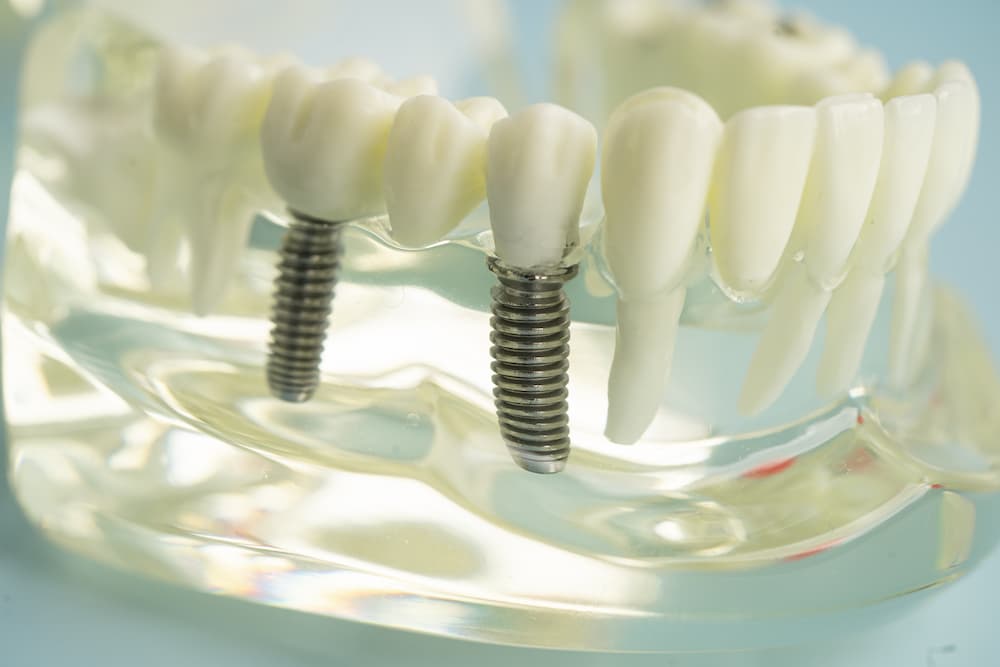
Dental implants are essential for maintaining the health of your jawbone through a process called osseointegration. This is when the titanium implant bonds with your jawbone, taking on the role of a natural tooth root. This connection secures the replacement tooth and encourages the surrounding bone to stay dense and strong.
Chewing with a dental implant transfers pressure to the jawbone, similar to the natural stimulation from real teeth. This activity prevents jawbone resorption, as it signals the bone to keep regenerating and staying robust. Without this stimulation, the bone could weaken and shrink over time. Do dental implants prevent bone loss? Yes!
Comparing Implants to Other Solutions
When exploring options for replacing missing teeth, it is essential to recognize the limitations of traditional solutions, such as how to prevent bone loss with dentures. While dentures can help with chewing and improve appearance, they fall short in maintaining jawbone health. Dentures rest on the gums without engaging the jawbone, which means they can’t effectively prevent bone loss. Over time, this can lead to continued jawbone resorption and noticeable changes in facial structure.
Dental implants, on the other hand, offer a more effective long-term solution for oral health. They act like natural tooth roots, providing the necessary stimulation to the jawbone and preventing further deterioration of the surrounding bone. This makes them the best choice for maintaining jawbone density and avoiding the sunken facial appearance that can result from bone loss.
For those considering how to prevent bone loss with dentures, it’s essential to weigh the benefits of dental implants. Implants not only replace missing teeth but also help preserve the jawbone structure and overall oral health. As a long-term investment in your smile and well-being, dental implants are the most effective option for preventing jawbone deterioration.
Long-Term Benefits of Dental Implants
Dental implants provide lasting benefits that enhance both oral health and daily life. Implants are made from high-quality materials designed to last a lifetime with proper care. Unlike dentures, which often need adjustments or replacements, implants offer a stable and permanent foundation for artificial teeth.
Beyond their strength, implants look like natural teeth, seamlessly blending into your smile. This natural appearance boosts self-confidence and enhances facial aesthetics, enabling individuals to smile, speak, and eat with confidence.
How to Stop Jaw Bone Loss in the Jaw With Implants
Dental implants stand out as a superior choice for preventing jawbone deterioration and supporting oral health. They offer a permanent solution that addresses tooth loss while preventing the adverse effects of jawbone resorption. By preserving bone density and supporting facial structure, implants help maintain a vibrant smile and promote robust oral health.
For those seeking to prevent jawbone loss and maintain their facial appearance, dental implants offer a compelling option. At Sitwell Dental, we are committed to delivering personalized care and expert guidance to help you make informed decisions about your dental health. We invite you to discover the benefits of dental implants and encourage you to schedule a consultation. Take the first step towards a healthier, more confident smile by contacting Sitwell Dental on our website today.
Image credit: // Shutterstock // sasirin pamai