If you have been told in the past that you might not be a candidate for tooth replacement due to a lack of jawbone density, you are not alone. Many patients visiting Sitwell Dental Implant Center share this concern. The short answer is that, in many cases, you may still be able to receive dental implants even with significant bone loss. Thanks to modern regenerative techniques and advanced diagnostic technology, a diminished jawbone is often a hurdle we can overcome together rather than a permanent roadblock.
Understanding Bone Loss and Its Impact on Implants
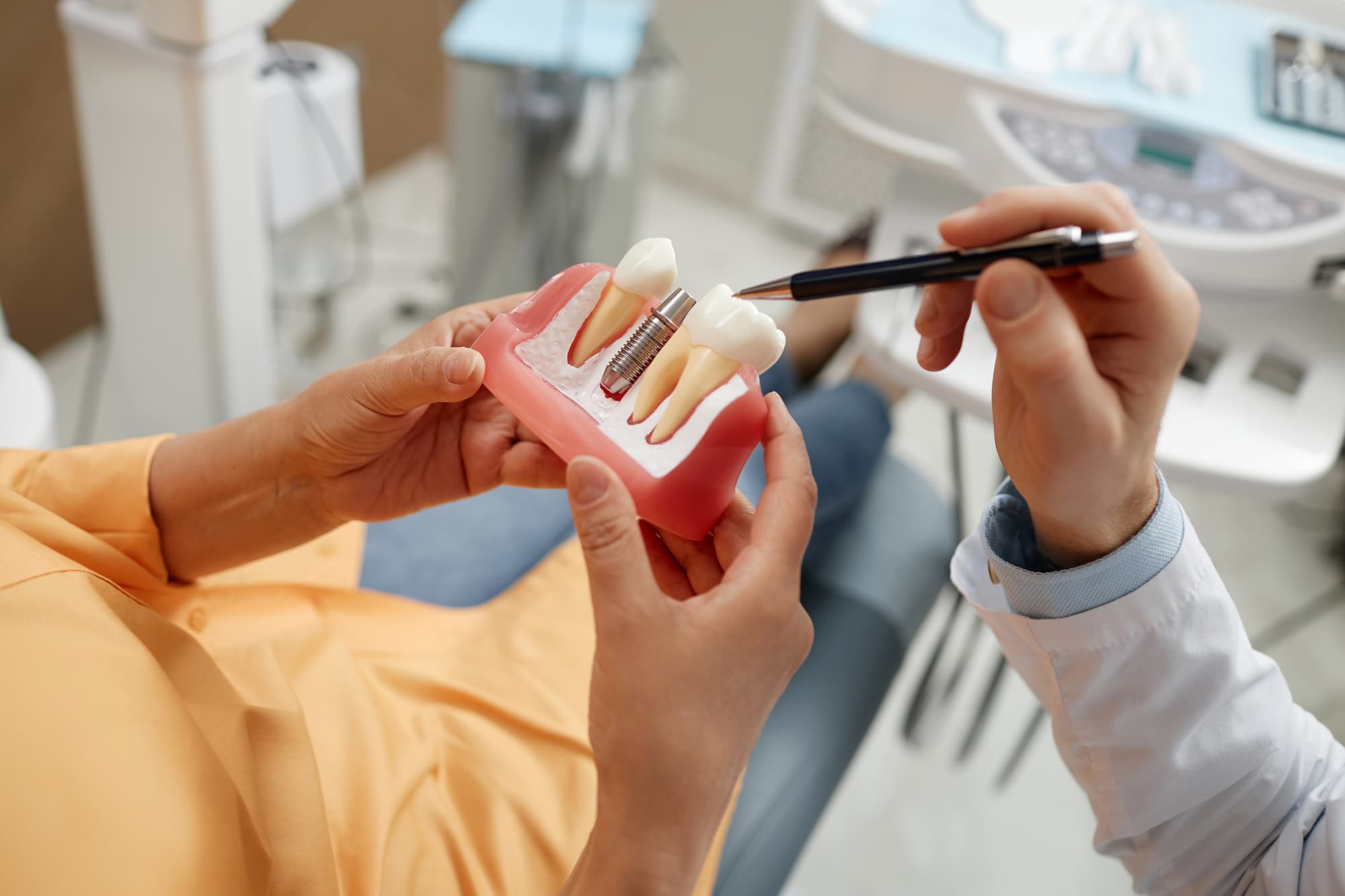
To understand why bone density is critical, consider a dental implant as the foundation of a house. For the “house” (your new prosthetic tooth) to be stable, the “ground” (your jawbone) must be solid and deep enough to anchor the titanium post.
Bone density directly affects the stability of the implant. When a tooth is missing, the jawbone no longer receives the stimulation it needs from chewing forces. As a result, the body may begin to resorb that bone, leading to a thinner or shorter ridge. Common causes of this jawbone loss include:
- Prolonged Tooth Loss: The bone begins to shrink almost immediately after a tooth is removed or lost.
- Advanced Periodontal Disease: Chronic gum disease can destroy the supporting bone structures.
- Aging and Osteoporosis: Natural changes in bone mineral density over time can impact the jaw.
Without sufficient bone, an implant may not be able to undergo osseointegration, the vital process where the bone fuses to the implant post. However, at Sitwell Dental Implant Center, we utilize specific strategies designed to help restore that foundation.
Techniques That Make Implants Possible
Fortunately, bone loss dental implant options have evolved significantly. We can often use bone regeneration for implants to create a stable environment where there was once a deficiency.
Bone Grafting for Dental Implants
A bone graft for dental implants is one of the most common ways to address a lack of density. This procedure involves placing bone material, which may be your own, a donor’s, or a synthetic version, into the area where the bone has thinned. Over several months, this material acts as a scaffold, encouraging your body to grow new, natural bone.
Sinus Lifts
For the upper jaw, the proximity of the sinus cavities can sometimes limit the space available for implants. A sinus lift for dental implants may help by gently moving the sinus membrane upward and placing grafting material underneath, creating the necessary depth for successful upper-jaw implantation.
Advanced Stabilization
In some instances, specialized implant designs or angled placement techniques may allow us to utilize the existing “strong” bone that remains, potentially reducing the need for extensive grafting.
Evaluating Your Eligibility for Implants at Sitwell Dental Implant Center
At Sitwell Dental Implant Center, determining your candidacy involves much more than a simple visual exam. We prioritize a scientific and personalized approach to see how we can help you achieve your goals.
We utilize state-of-the-art diagnostic tools, such as 3D Cone Beam CT (CBCT) scans. This imaging provides a highly detailed, three-dimensional view of your jaw structure, nerve pathways, and sinus cavities. By using this technology, our team can measure your bone density with incredible precision and identify exactly where implant placement after bone loss is most likely to succeed.
Your treatment plan is then tailored to your unique anatomy. Factors such as your overall health, the number of missing teeth, and your history of bone health all influence the path we suggest.
Ensuring Long-Term Success After Implant Placement
Bone graft recovery for implants requires patience, as the body needs time to strengthen the new bone before it can support the pressure of a crown.
To maintain bone health and implant longevity, we recommend:
- Meticulous Oral Hygiene: Keeping the gums free of infection is essential to preventing “peri-implantitis,” which can lead to further bone loss.
- Nutritional Support: A diet rich in calcium and Vitamin D may assist in maintaining bone mineral density.
- Regular Monitoring: Routine visits to Sitwell Dental Implant Center allow us to use imaging to ensure the bone remains stable and healthy around the implant.
Schedule a Dental Implant Consultation with Sitwell Dental Implant Center
If you are ready to explore your options for a fuller, healthier smile, reach out to our team. Even if you have been discouraged by bone loss in the past, a thorough examination at Sitwell Dental can help clarify what is possible for your unique situation.
Contact Sitwell Dental Implant Center today to schedule your consultation and take the first step toward a restored smile.
Image Credit: SeventyFour